
The Alliance for Malaria Prevention brings together expertise from the global malaria community in a partnership dedicated to the expansion and use of malaria nets by populations who are vulnerable to the killer disease.
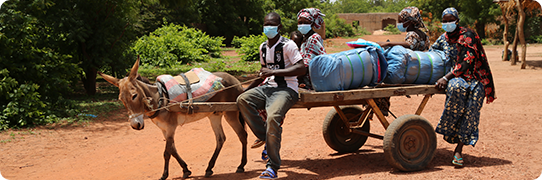
Who We Are
Established in 2004. AMP partners assist and advocate for country-specific support to plan and implement ITN distribution.
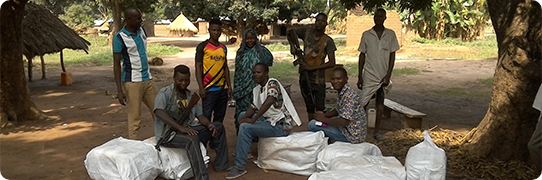
How We Work
AMP provides globally-recognized expert technical assistance through distance and in-country missions to help countries successfully plan and execute complex ITN distribution campaigns.
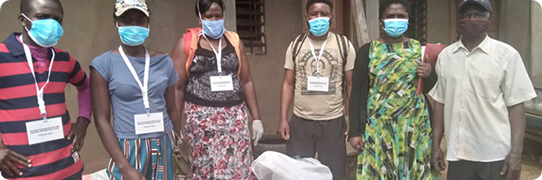
AMP Core Group
The AMP Core Group comes together twice a year to discuss and plan AMP activities.

AMP Evaluations
AMP undertakes occasional evaluations of the effectiveness of its operational guidance and technical assistance provision. Reports can be seen here.
AMP-Led Workshops and Trainings
Workshops focusing on net campaigns, aimed at strengthening the capacities of national malaria programmes and their partners in planning and implementation, including social and behaviour change (SBC), monitoring and evaluation and follow-up action.
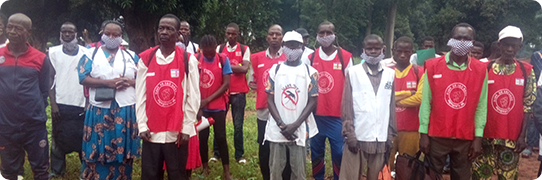
AMP Annual Partners Meeting
AMP holds its annual partners’ meeting during the first quarter of each year.

Campaign Digitalization Meeting
AMP hosts a two-day campaign digitalization meeting during the first quarter of each year.

Annual Reports
Here can be seen reports of the work undertaken by the Alliance for Malaria Prevention partners each year.
ITN Campaign Efficiency Project
Addressing challenges identified by national malaria programmes, technical, financial and implementing partners related to sustaining ITN access and use.